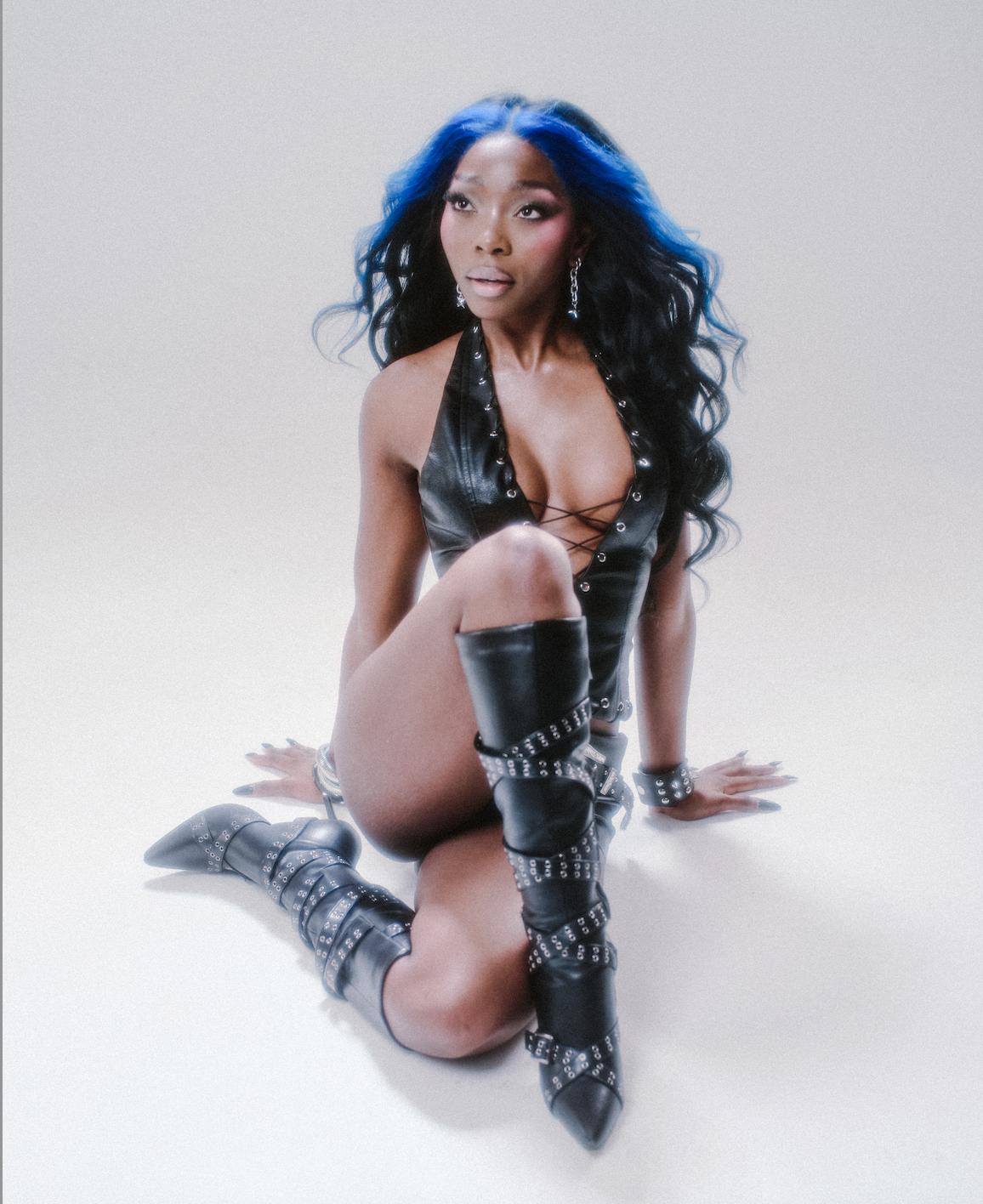
Precious Pepala
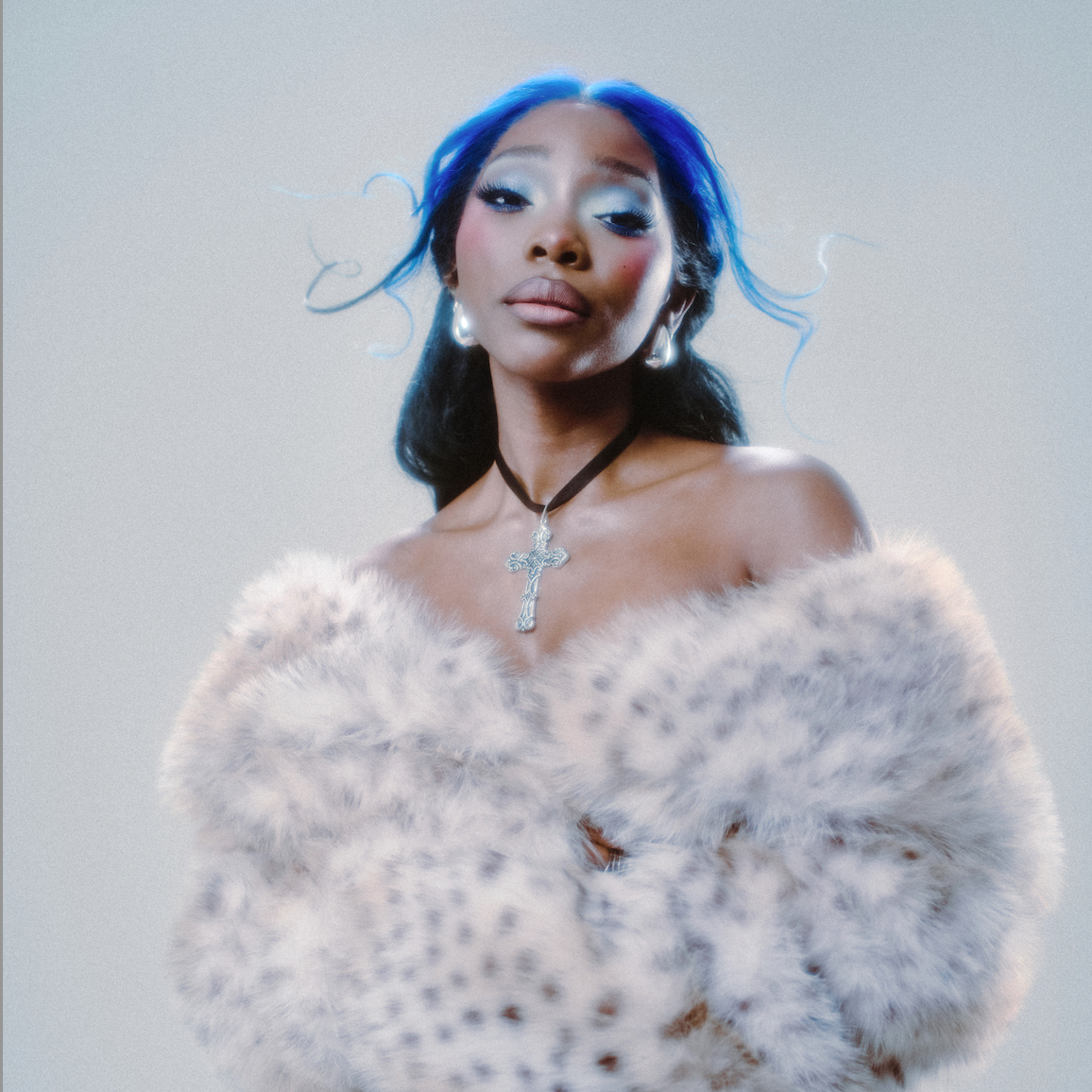
With her striking blue hair, big doe eyes, and alternative style, Precious Pepala is on her way to becoming the next worldwide phenomenon. At only 20 years old, the young prodigy from Sheffield is crafting a sound we’ve never heard before.
Blending pop, dark alternative, and gospel, a genre she grew up with as a preacher’s daughter , Pepala unveils a unique musical identity. With her newest EP, Rosey, she presents her most vulnerable body of work yet. Centered around the character of “Rosey,” who is blinded by the illusions of love, Pepala explores, throughout this brilliant EP, both the beauty and the pain of relationships, the dream and the reality. Interview with the promising young singer.
SM: Congratulations on your newest EP 'Rosey' ! In a few words, can you walk us through your process and what it means to you?
PP: Thanks so much! I’ve always wanted to a concept EP or album about a character so this was such a fun project for me.
SM: How does this EP reflect your growth as an artist compared to your earlier releases?
PP: I’m in a much better place mentally than I was when I wrote some of my earlier music so that might be why this EP has a bit more energy and is a bit rockier. I also got to make all of the creative decisions for the styling and visuals myself which was amazing!
SM: Rosey tells a full narrative : what inspired you to turn an EP into a tragic love story rather than a traditional collection of singles?
PP: I’ve always been inspired by concept albums and I had the idea to create a character and a storyline that follows that character. I also like drama and tension within stories and sometimes its hard to create that within a 3 minute pop song so a full narrative EP meant I could tell the full story of Rosey!
SM: You've described the EP as exploring "bleak realities of romance', what was the most uncomfortable truth you had to confront while writing it?
PP: There was a point where I realised that I was more like Rosey than I’d like to admit! I think modern day things like dating apps, social media and reality TV have kinda ruined old school romance and I’m guilty of some of the more modern toxic approaches to romance.
SM: The character Rosey is central to the EP, do you see her as a version of yourself, someone you observed, or a completely fictional creation?
PP: She started as a completely fictional creation but as the writing progressed I realised I could see myself and a lot of my friends in her. Especially the song ‘Rosey’ - it felt like I was singing to a couple of my friends in particular…
SM: In "Too Good To Die," the emotional intensity feels almost addictive. How do you write lyrics that explore desire without romanticising toxicity?
PP: To be honest I think a lot of my lyrics about love and desire probably do romanticise toxicity because I’m a drama queen and I’m writing for a generation of people who approach romance in the same way!
SM: You've said vulnerability doesn't come easily to you. Was there a specific moment in creating Rosey where you felt fully exposed as an artist?
PP: The song ‘Love Bombs’ is actually about me and an experience I had a couple of years ago, I just made it fit into the story for Rosey but it’s really about me. That one always hits hard when I listen back to it so I’d say that’s the most vulnerable part of this EP.
SM: Looking at the line 'I knew it was wrong but I stayed anyway', how important is it for you to show flawed decision-making in your songwriting?
PP: I pride myself on writing honest music even if I risk being judged by people. Hearing your favourite artist admit to something in their lyrics that you’ve been judging yourself for can feel like therapy and I hope people get those same moments when listening to my music.
SM: How does your background as a pastor's daughter and your relationship with religion continue to shape the emotional depth of your lyrics today?
PP: I learnt to write songs as a way to voice difficult conversations that I didn’t want to have with my parents for real. I still do that with other life situations now, if somethings feels difficult to talk about I’ll write a song about it first.
SM: After working on such a dark and cinematic project, what emotions or messages do you hope listeners are left with when they reach the final track, 'The After"?
PP:‘The After’ is a full circle moment where Rosey has the chance to start again and choose a different lover but she decides to start the whole cycle again and fall in love with the same person.I guess I just hope people enjoy the music enough to start from the beginning and listen again on repeat!
Listen To ‘Rosey’ Here